The Species We Share
Art, creativity and nature recovery at MOTE
Deadline: April 2027
MOTE is inviting artists, photographers, writers, researchers and creatives of all disciplines to take part in The Species We Share, a collaborative display exploring biodiversity, nature recovery and our relationship with the natural world.
Working alongside the Norfolk and Suffolk Nature Recovery Partnership (NSNRP), we want to bring together creative perspectives that help people discover the species and habitats that make Suffolk special, and consider how we can protect them for the future.
Whether you work with photography, painting, illustration, sculpture, writing, sound, research or another creative medium, we want to hear from you.
Could your work help us see nature differently?
About the project
The Species We Share, will bring creative practice and environmental knowledge together to explore Suffolk’s wildlife, priority habitats and the importance of nature recovery.
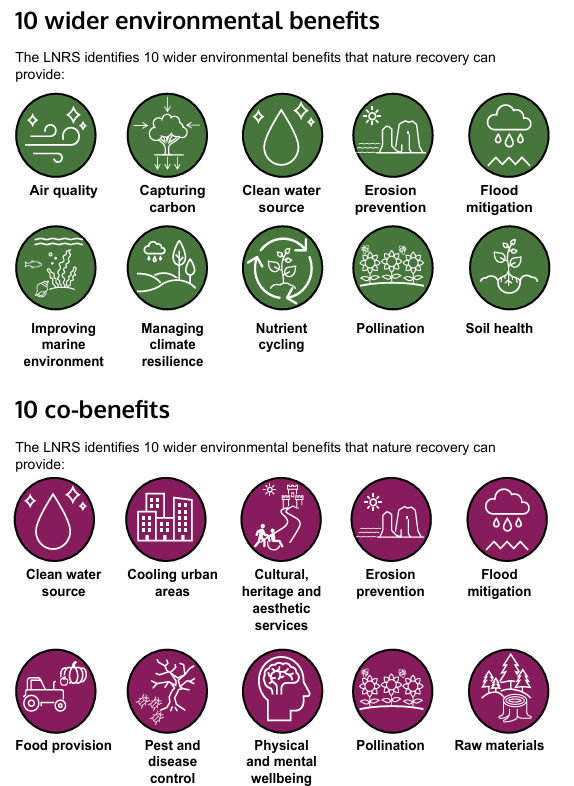
The project is informed by Suffolk’s Local Nature Recovery Strategy, which identifies priorities for restoring nature and supporting biodiversity across the county.
Suffolk’s Local Nature Recovery Strategy – Suffolk County Council
Alongside exploring the wider Suffolk landscape, we are particularly interested in the wildlife and nature recovery projects found within Ipswich itself. From urban wildlife and green spaces to waterways, gardens and the relationship between nature and the built environment, we want to explore how nature exists around us, often in places we might overlook.
We are also interested in the connections between nature and people, including wellbeing, climate resilience, community participation and the benefits of a healthy natural environment.
Our aim is to create a display that makes environmental information engaging, accessible and relevant to visitors, encouraging people to look more closely at the natural world and the role they can play in protecting it.
Who can take part?
This open call welcomes a broad range of creative and research-based practices, including:
- Artists: Painters, illustrators, sculptors, printmakers and multidisciplinary practitioners.
- Photographers: Those documenting wildlife, landscapes, urban nature, conservation or environmental change.
- Writers and storytellers: Poets, authors and creatives exploring nature through language and narrative.
- Researchers: People working with ecological information, field observations, environmental research or community knowledge who may have ideas for creative interpretation.
- Other creatives: Sound artists, designers, makers, filmmakers and anyone with an approach that could contribute to the project.
We welcome emerging and established practitioners, and encourage submissions from people working across disciplines.
You do not need to be a professional artist to express an interest. We are interested in thoughtful, engaging responses to the theme and the different perspectives people can bring.
What could you explore?
We are open to a variety of approaches. The following themes are intended as starting points rather than restrictions.
1. Species and biodiversity
Explore the wildlife that lives in Suffolk, its ecological importance, and the challenges facing particular species.
The project will draw on priority species identified in Suffolk’s Local Nature Recovery Strategy, including:
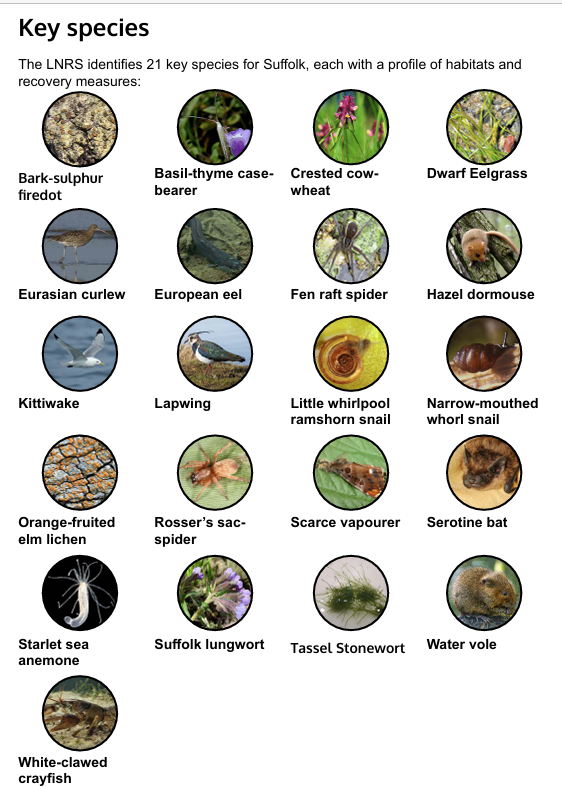
As well as:
Little Tern
Redshank
Bittern
Turtle Dove
Green-winged Orchid
Barbastelle Bat
Pedunculate Oak
Nightingale
Great Crested Newt
Kingfisher
Fen orchid
Rockrose
Stone-curlew
Nightjar
2. Habitats and the natural world
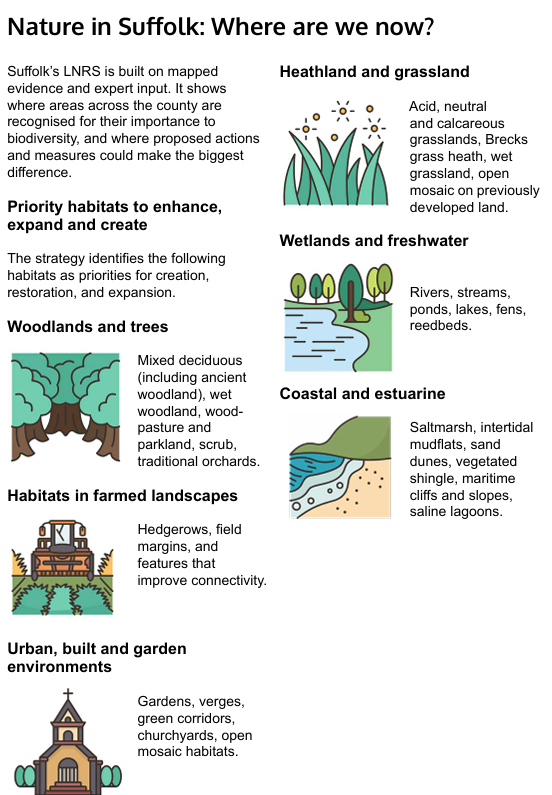
Respond to Suffolk’s priority habitats, the relationships between species and their environments, and the importance of protecting and restoring these places.
3. Urban wildlife and Ipswich
Explore the nature that exists within our towns and cities. This could include wildlife in gardens, parks, waterways and overlooked urban spaces, as well as local conservation and nature recovery initiatives.
We are particularly interested in creative responses that connect with Ipswich and its changing relationship with the natural environment.
4. Nature and people
Consider how the natural world affects our everyday lives, from wellbeing and access to green space to climate resilience, food production and our responsibility to future generations.
5. Research and creative interpretation
We welcome proposals that use research, observation, data, fieldwork or local environmental knowledge to communicate something meaningful about nature recovery.
This could take the form of a visual response, written work, sound, an interactive idea or another accessible way of sharing information.
How to get involved
We invite interested participants to submit a proposal or details of existing work that responds to one or more of the project themes.
Your submission should include:
- Your name and contact details.
- A short biography or introduction to your practice.
- A description of your proposed contribution, or the existing work you would like to submit.
- Relevant images, photographs, writing samples or other supporting material.
- Any practical requirements, including dimensions, equipment or installation needs.
- Any access considerations relevant to the presentation of your work.
Please explain how your contribution connects with the project and what you hope visitors might learn, experience or consider.
Submission Fee
There is no fee to submit your work.
Creatives whose work is selected for exhibition will be required to pay a £35 exhibition fee per accepted work.
Accessibility and inclusion
We want The Species We Share to be engaging and accessible to as many people as possible.
We welcome proposals that consider different ways of experiencing and understanding nature, including audio, tactile, written, visual and multisensory approaches.
Artists and creatives are encouraged to consider how their work might be experienced by visitors with different access requirements. MOTE will work with the project partners to explore appropriate interpretation and accessibility provisions for the selected contributions.
About our partners
The project is being developed in collaboration with the Norfolk and Suffolk Nature Recovery Partnership and Suffolk County Council, drawing on the Local Nature Recovery Strategy and wider work to support nature recovery.
The partnership will provide relevant information, resources and expertise to support the project’s environmental context.
Find out more:
You can also contact the partnership directly at lnrs@suffolk.gov.uk or sign up for Local Nature Recovery Strategy updates.
Key dates
- Submission deadline: April 2027
- Selection and preparation: April–May 2027
- Display opens at MOTE: June 2027
Dates are provisional and will be confirmed as the project develops.
Interested in taking part?
If you have an idea, existing work or research that could contribute to The Species We Share, we would love to hear from you.
We are interested in bringing together different perspectives and creative approaches to help audiences connect with Suffolk’s wildlife, habitats and future of nature recovery.
Submit your proposal: HERE
Questions about the open call: hello@mote-uk.org or give us a call on 01473708266
We look forward to discovering the different ways you see, understand and interpret the natural world.