


Museum of the Environment – MOTE
Open Wednesday–Saturday
11am–4pm
Based in the original 1847 Ipswich Museum Building
13 Museum Street, Ipswich, IP1 1HE
Plan Your Visit
FREE Admission
Parking
Elm Street Car Park is just a 3-minute walk from MOTE.
Give us a call before your visit : 01473708266
Art, Environment and New ways of Thinking.
Welcome to MOTE — Museum of the Environment, a new cultural space in the heart of Ipswich, based in the original 1847 Ipswich Museum Building.
MOTE brings together art, science, history and environmental thinking to explore how our world is changing — and how we might shape what comes next.
Through exhibitions, installations, workshops, talks and events, MOTE creates space to look differently, ask questions and imagine new possibilities.
Come in, explore, question and get involved.

WHAT’S ON TODAY
THE SHAPE OF CHANGE
What is changing? What have we changed? And what could we change next?
The Shape of Change is MOTE’s ongoing programme of exhibitions, installations, workshops and events exploring environmental change through art, science and creative thinking.
The programme brings together different voices and perspectives to encourage curiosity, conversation and action.
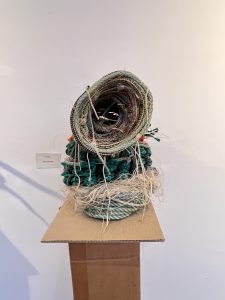
RE-FORM: Jane Stewart
7 August – February 2027

BENEATH THE SURFACE: Zasmina Nedelcevova
7 August 2026 – 7 February 2027

MEAT: Sue Gascoyne
7 August 2026 – 7 February 2027
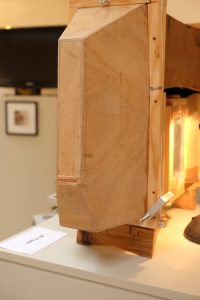
Technology for a Brighter Future – Mr Pippin & Tristan Burfield
November 2026 – Pending
UPCOMING
MOTE Monthly: Small Changes, Greener Living
This month at MOTE: Discover the Olla
As we head towards the colder months, November is a good time to start thinking about how we can make our gardens more sustainable ahead of the next growing season.
This month, MOTE is exploring ollas (pronounced oy-yas), a traditional and surprisingly simple method of watering plants that helps conserve water.
What are ollas?
Ollas are unglazed terracotta pots that are buried in the ground, leaving their openings just above the soil. Once filled with water, the porous clay slowly releases moisture into the surrounding soil, allowing nearby plant roots to draw up the water they need.
Unlike conventional watering methods, which can result in water evaporating or running away from plant roots, ollas provide a more targeted approach to irrigation. They can help reduce water waste, maintain consistent soil moisture and minimise the need for frequent watering.
The technique has been used for centuries in different parts of the world and offers a simple example of how traditional knowledge can inform more sustainable ways of living today.
What MOTE recommends this month
Get ready for a more water-conscious garden.
November is the perfect time to plan ahead. Why not:
- Research ollas and consider whether they could work in your garden or outdoor planters.
- Look into making your own using unglazed terracotta pots.
- Think about how you currently water your plants and where you might be able to reduce water use.
- Start planning a water-efficient planting scheme for spring.
If you already have ollas, remember to empty and protect terracotta pots during hard frosts to prevent cracking.
Small changes can make a difference. By rethinking how we use everyday resources, we can find practical ways to reduce our environmental impact, one garden at a time.
Keep an eye on MOTE’s monthly recommendations for more ideas, activities and simple changes you can introduce into everyday life.